Residential General Contractor in Southern Arizona • Call Us for a Free Estimate
Tucson (520) 447-7277
Phoenix (480) 881-4192
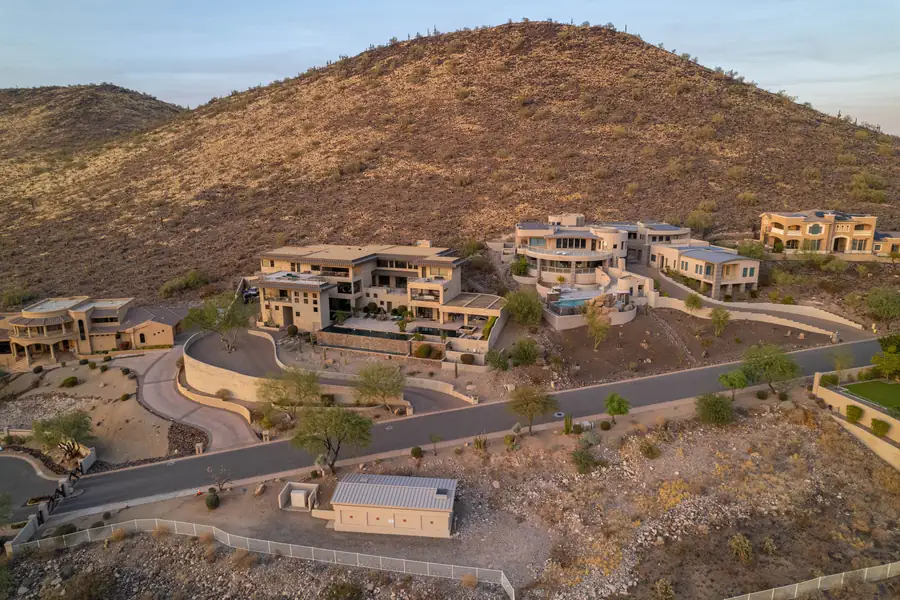
Custom home construction goes smoother when you treat it like a sequence of smart decisions, not a series of one-off choices.
As custom home builders serving Tucson and the Phoenix metro, CactusNectar LLC walks clients from lot selection to move-in with a process designed to protect budget, layout priorities, and finish selections early. That early alignment is what keeps the build predictable and helps you avoid expensive changes later.If you want a luxury-level outcome without the luxury-level stress, the plan is simple: decide the right things first, then build with clarity.
Let’s take a closer look at what an organized custom home process looks like, from lot selection to the day you get the keys.
The lot is not just where your house will sit. It shapes your design options, your timeline, and often your early costs.
Before we get deep into floor plans, we look at the practical constraints and opportunities so your design fits the property instead of fighting it. In Arizona, the lot also sets the stage for comfort because sun exposure and outdoor living are a big part of how you experience the home.
Lot factors we evaluate early (and why they matter):
Budget is not a single number, it is a decision framework. When you set a realistic target range early, you can design with confidence instead of hoping the numbers work out later. This is especially important with custom home contractors because a late budget adjustment usually means rework, and rework is where projects get expensive.
A clear budget target also helps you define what “luxury” means to you, since luxury is often the cumulative effect of many smaller choices.
Three budget decisions that prevent costly changes later:
A custom home should feel effortless day to day, not just look good in photos. This stage is about function, flow, and the specific routines you want the home to support. When the layout works, your later selections make more sense and you feel fewer “we should have…” moments. If the layout does not work, the fixes often show up later as expensive changes.
Layout questions we like to answer early:
Once the lot and layout priorities are clear, the home starts to take shape as a cohesive concept. This is where interior flow meets exterior style, and where the property’s orientation informs comfort. You do not need to be technical to make smart sun decisions. You simply need to think about light, shade, and how you want to use outdoor spaces throughout the year.
Arizona comfort decisions that pay off long term:
A common misconception is that selections happen later. In reality, several choices influence drawings, pricing, and schedule well before finish work begins. When selections that drive dimensions and coordination are decided early, the build has a stable target. That stability is what reduces change orders, prevents delays, and keeps craftsmanship consistent.
Selections that are worth anchoring early:
This is the phase where your custom home shifts from concept to executable plan. It is also where clarity becomes your best friend. Detailed plans, coordinated scope, and aligned expectations help your build stay consistent from start to finish.
When this phase is done well, the construction experience feels calmer because fewer decisions are being forced midstream.
What gets clarified before breaking ground:
Permitting can feel intimidating simply because it is unfamiliar. The reality is that it becomes manageable when it is treated as a standard phase with a clear workflow. Timelines vary by jurisdiction, so organization and responsiveness matter.
The best way to protect the schedule is to avoid major scope changes while approvals are in motion.
How homeowners can help keep permitting moving:
Before construction starts, a pre-construction meeting aligns everyone on communication, milestones, access, and expectations. This is where we confirm how updates will happen and what decisions are coming next. It is also the right time to restate the priorities that matter most to you so they stay protected throughout the build.
When this checkpoint is done well, the project feels organized from day one.
Topics we typically align on here:
Construction is easier to understand when you view it as a sequence of milestones. The goal is not to overwhelm you with technical steps. The goal is to keep you informed about what stage you are in and what decisions are approaching. Good custom home construction is coordination, and coordination is where experienced custom home contractors make the biggest difference.
Typical build milestones (high level):
The last phase should feel thorough, not rushed. Final inspections and a detailed walkthrough confirm the home is complete and consistent with the plan. A punch list is normal, and the goal is to address it with clarity and follow-through. When the process has been organized from the beginning, the handoff feels like a confident finish to a well-managed project.
What a strong closeout includes:
Even with the best planning, late changes are where budgets and timelines can get stressed. The best prevention is making the right decisions early, then sticking to them. First, commit to budget targets before design goes too far, so the plan is grounded in reality. Second, lock layout priorities early, because layout changes later can trigger expensive ripple effects. Third, anchor the selections that drive coordination, because those choices influence multiple trades and lead times.
The lot-to-keys process stays consistent in Tucson and the Phoenix metro. What changes is usually the context around the lot, community guidelines, and how you want to live outdoors. Some Tucson projects emphasize privacy and desert views, while many Phoenix-area communities include stronger HOA requirements and tighter neighborhood patterns. Either way, the same principle holds: clarity early leads to confidence later.
The best custom homes are not the ones with the most upgrades. They are the ones where the early decisions were made with intention, documented clearly, and executed by a team that keeps communication simple and consistent. When you align budget, layout, and selections early, the rest of the build becomes far more predictable. That is how you get a home that feels custom in all the right ways, from the first sketch to the day you turn the key.