Residential General Contractor in Southern Arizona • Call Us for a Free Estimate
Tucson (520) 447-7277
Phoenix (480) 881-4192


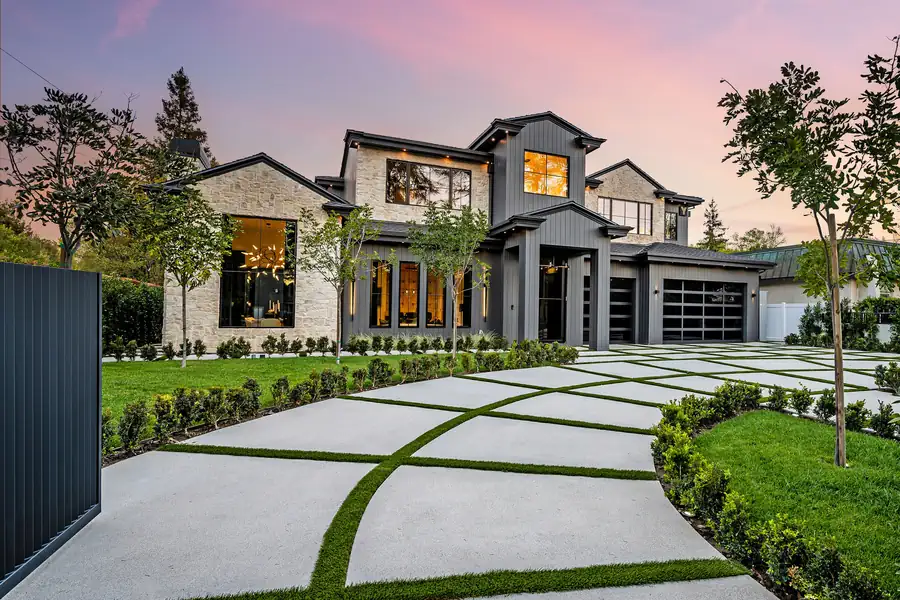
Building a custom home is a big decision, but it does not have to feel overwhelming. The best projects start with clear priorities, a realistic budget range, and a builder who can translate ideas into buildable plans without surprises. If you are comparing custom home builders, focus on the process: how decisions get made, how costs are tracked, and how the schedule is managed from permitting through punch list.
Custom home construction is the full design and build of a one-of-a-kind home, tailored to your lot, lifestyle, and finish level. Some people picture “custom” as unlimited everything, but in practice, it means you make intentional choices that shape:
A professional custom homes contractor helps you balance these decisions so the home feels elevated and personal, while staying buildable, code-compliant, and within the budget parameters you set.
Most stress in custom builds comes from unclear starting points. Before floor plans and finish boards, define three anchors:
Examples: a true great room, a quiet home office, a primary suite that feels like a retreat, a larger pantry, a hobby garage, or a guest suite with privacy.
This is the emotional part: warm and timeless, clean and modern, desert contemporary, minimal and bright, cozy and textured. You are not choosing paint colors yet, you are choosing direction.
You do not need an exact number on day one, but you do need a realistic range and a willingness to rank priorities. That gives your team permission to recommend smart tradeoffs early, not late.
Different builders name phases differently, but the best projects follow a consistent rhythm.
This is where you confirm what the lot allows and what it will likely cost to build the kind of home you are envisioning. Topics typically include:
If you are building in Arizona, this phase is also where local conditions matter: sun exposure, heat management, and the balance between glass and comfort. The goal is to avoid designing something beautiful on paper that becomes inefficient or expensive to build.
This is where the home takes shape: layout, elevations, and major features. Expect iteration. A good team will help you test the plan against real life:
This is the moment where projects either stay smooth or drift into frustration. You want a builder who is comfortable being specific and transparent:
A luxury build does not mean “anything goes.” It means decisions are documented, expectations are clear, and quality is consistent.
Permitting can feel slow, but it protects you. During pre-construction, your builder should be finalizing schedules, ordering long-lead items, and confirming details so construction can move without constant stops.
This is also where a builder’s project management matters. You want a plan for:
A simplified view of build stages:
The best builders keep you informed without burying you in noise. You should know what is happening now, what is happening next, and what decisions are coming up soon.
Punch list is not a bad word. It is the final quality pass that ensures the home feels finished. A professional builder will have a clear close-out process and will not rush this stage.
When people search for luxury custom home builders, they are not always asking for ornate design. Most high-end homeowners want the home to feel calm, intentional, and effortless. That usually comes from:
Luxury is often the absence of problems: fewer drafts, better acoustics, better flow, fewer “why did they do that?” moments.
It is tempting to pick tile and cabinets early, but layout decisions drive everything. Lock the plan first, then refine finishes.
Every lot is different. Grading, access, utility runs, and drainage can change the budget quickly. Discuss the lot early and honestly.
Some items take time. If you want specific windows, custom cabinetry, specialty fixtures, or certain appliances, your schedule should reflect that.
A low estimate can hide missing scope. Compare proposals by clarity: what is included, how selections work, and how the project is managed.
If you are comparing custom home contractors, these questions will tell you a lot fast:
A good builder will not dodge these. They will welcome the conversation.
CactusNectar LLC is a residential general contractor based in Tucson and serving the Phoenix metro as well, with a focus on custom guest houses "casitas", custom homes, home additions, and home remodeling projects.
When the goal is a home that feels personal and built to last, the biggest difference is not just craftsmanship. It is communication, planning, and a process that keeps you confident at every stage.