
How Communication Stays Organized During a Custom Home Build
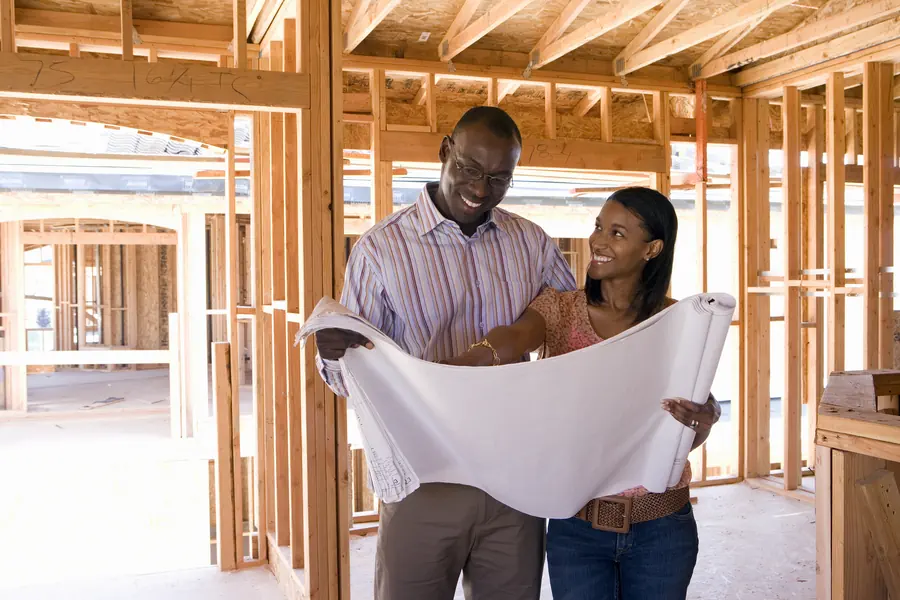
Building a custom home is exciting, but it can also feel overwhelming. There are many decisions to make, multiple stages to manage, and a long timeline to follow. Without a clear communication process, it is easy to lose track of what has been approved, what still needs attention, and what happens next.
That is why communication matters just as much as design and construction. When the process is organized, homeowners can stay informed, contractors can keep work moving, and important details are less likely to get lost along the way. For anyone working with custom home builders, the goal is not to eliminate every decision. The goal is to make those decisions easier to track and simpler to understand.
Start with planning conversations
A well-run custom home project usually begins with planning meetings. This is where the homeowner and the custom home builder discuss the vision for the home, the overall scope, and the priorities that will guide the project. These early conversations help establish expectations before construction begins.
They also create a foundation for future communication. When everyone starts with a shared understanding of the goals, it becomes easier to make decisions later without confusion. Planning is the right time to talk through layout ideas, design preferences, timing considerations, and any budget-related choices that may affect the project.
It also helps to keep notes from these early discussions. Custom home projects often involve many moving parts, and details discussed at the beginning can influence decisions much later in the process. When those ideas are documented, homeowners can refer back to them instead of relying on memory alone.
Keep design coordination clear and documented
Once the project moves into design coordination, communication becomes even more important. This stage often includes reviewing plans, confirming finishes, and making selections that affect the look and feel of the home. Whether you are working with custom home contractors or luxury custom home builders, this is the point where organized communication can prevent confusion.
A practical approach is to treat every selection as a decision that should be recorded. That might include confirming materials, approving design changes, or clarifying what is included in a specific option. When decisions are documented, homeowners can review what was approved, what still needs input, and what the next step will be.
This structure matters because design choices often build on one another. A selection made early may affect a later decision, so having a clear record helps keep the process aligned from one stage to the next. It also gives homeowners a simple way to stay oriented when many details are being discussed at once.
Make approvals easy to follow
Approvals are another major communication touchpoint in a custom home build. Many choices need to be reviewed before work can continue. If approvals are handled casually, delays can happen quickly. If they are handled in an organized way, the project stays on track more easily.
Clear approval steps help homeowners know when their input is needed and help the builder know when to move forward. That kind of structure reduces uncertainty on both sides. It also makes it easier to avoid misunderstandings, because everyone can see which decisions are complete and which ones are still pending.
This is especially helpful when options become complicated. A custom home builder Arizona homeowner may face decisions that involve style, function, and practicality all at once. In those moments, communication is not just about relaying information. It is about helping the homeowner understand the available choices and the impact of each one.
Use progress updates and milestone check-ins
Homeowners do not need constant communication about every small task, but they do need regular updates that explain what has been completed, what is underway, and what is coming next. Milestone check-ins are a useful way to create that structure.
Clear milestone check-ins give everyone a chance to pause, review progress, and confirm the next phase of work. They also provide a natural time to ask questions or address concerns before they grow into bigger issues. For custom home builders in Arizona, where projects can involve many stages and coordination points, these check-ins help keep the process steady and transparent.
This kind of communication is especially valuable during longer builds. When progress is shared in a predictable way, homeowners do not have to wonder whether something has been forgotten. They can see where the project stands and what still needs to happen.
Address unexpected conditions quickly
Even with careful planning, unexpected conditions can come up during a build. When that happens, the most helpful response is quick, clear communication. Homeowners should be told what happened, what the available options are, and what the likely next steps will be.
This is where a straightforward communication style makes a real difference. Rather than adding pressure, the builder should explain the situation and help the homeowner think through the best solution. That approach keeps the project moving while also helping the homeowner feel informed and respected.
Unexpected issues do not have to derail the experience. When they are handled promptly and explained clearly, they become part of a manageable process instead of a source of unnecessary stress.
How CactusNectar LLC keeps communication straightforward
At CactusNectar LLC, this kind of communication is built into the process. The team keeps things straightforward with clear milestone check-ins, documented decisions, and practical guidance when options get complicated. Homeowners know what is happening, what is coming next, and what is needed from them to keep things moving.
If unexpected conditions come up, they are addressed quickly, the options are explained, and the right solution is chosen without pressure. That approach helps keep the project organized while also making the experience easier to follow.
This structure is valuable whether someone is building a fully custom home or exploring a semi custom home builder Arizona option. In either case, good communication helps reduce uncertainty. It gives homeowners a clear path through the process and helps the project stay organized from one stage to the next.
Don’t overlook the final walkthrough
The final walkthrough is another important communication moment. By this stage, the home is nearing completion, and the focus shifts to reviewing details, confirming that work is complete, and noting any final items that need attention. A walkthrough is most effective when the homeowner knows what to look for and the builder is ready to answer questions clearly.
This final step is more than a formality. It is the last opportunity to make sure the project has been completed as intended and that any remaining concerns are identified before move-in. When the earlier communication process has been organized, the walkthrough feels more focused and less stressful.
Simple habits that help homeowners stay organized
For homeowners, the best way to stay organized during a custom home build is to keep communication simple and consistent. Ask for updates at regular intervals. Confirm decisions in writing when possible. Keep track of approvals, selections, and open questions. And when something is unclear, address it early rather than waiting.
These habits do not need to be complicated. They just need to be consistent. A few clear records and timely conversations can prevent a lot of confusion later in the build.
Communication is part of the build
A custom home is a major project, but it does not have to feel chaotic. With the right communication structure, each stage becomes easier to manage. Planning meetings establish the vision. Design coordination turns ideas into decisions. Approvals keep work moving. Progress updates maintain clarity. And the final walkthrough brings everything together at the end.
When communication stays organized, the entire custom home experience becomes more predictable and less stressful. That is the value of working with a custom home builder who treats communication as part of the build itself, not as an afterthought.