Residential General Contractor in Southern Arizona • Call Us for a Free Estimate
Tucson (520) 447-7277
Phoenix (480) 881-4192


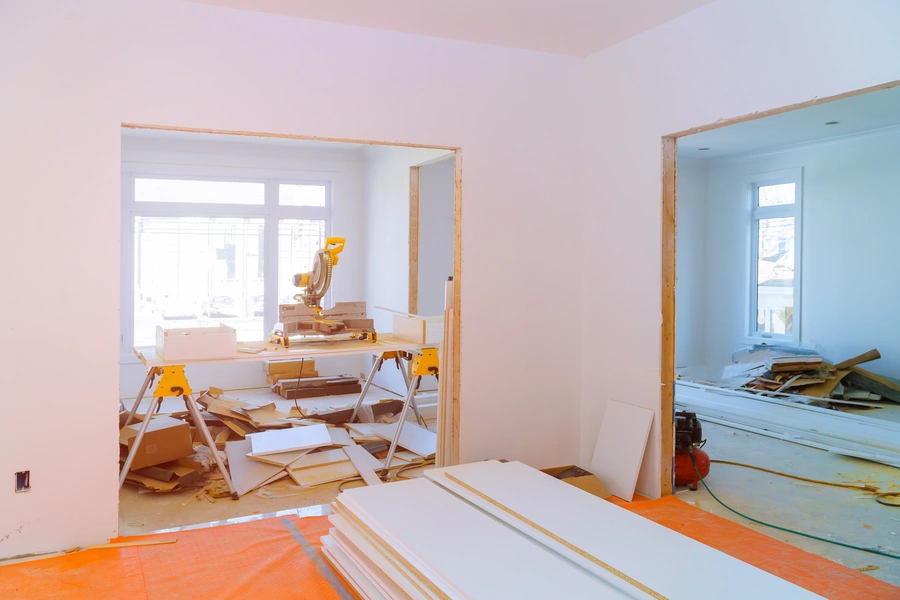
If you are planning a whole-home remodel and staying put, success comes from three things: a clear phasing plan, a livable temporary setup (especially for the kitchen and at least one bathroom), and a home remodeling contractor who keeps the schedule moving with weekly communication and firm decision deadlines.
At CactusNectar LLC, we guide homeowners across Tucson and the PHOENIX METRO area through kitchen renovation and bathroom renovation projects, plus full-home updates, with a process built around staying organized, staying informed, and keeping your home as functional as possible.
This guide walks you through phasing, temporary kitchen setups, dust control, and what to expect week to week, plus a simple decision-deadline method that helps prevent delays and reduce stress.
A live-in remodel is absolutely doable, but it changes your normal rhythm.
The biggest friction usually shows up as a mix of routine disruption (cooking, bathing, laundry), dust and noise (demo, cutting, sanding), decision fatigue (too many finish choices at once), and scheduling domino effects (one late selection can push multiple trades).
The goal is not to push through it. The goal is to plan it like a phased project with clear boundaries, backups, and predictable communication.
Phasing means remodeling your home in stages so you can keep living in it. A smart phasing plan keeps the essentials working, or at least provides a reliable workaround, so you are not reinventing your day every morning.
In most homes, that means protecting a usable bathroom, maintaining a basic kitchen routine, keeping a quiet sleeping zone, and ensuring safe pathways in and out of the home.
If your plan also includes adding space, such as a new primary suite or expanded living area, it can be helpful to align the addition as an early phase so the new space becomes your refuge while the original areas are remodeled.
Learn more about additions here: https://cactusnectarllc.com/general-contractor-home-additions-arizona/
A temporary kitchen does not need to be fancy, but it does need to be predictable. The best setups live in a location with power and a little counter space, such as a laundry room, a garage corner, a dining room wall, or a covered patio when weather allows.
Think of your temporary kitchen as a minimum viable routine. A mini fridge (or garage fridge), microwave, toaster oven or induction hot plate, coffee maker or electric kettle, plus simple shelving for pantry items goes a long way. Add a dish tub and drying rack, and you have a setup that keeps your days moving without constant improvising.
One planning move that helps more than people expect is meal strategy. Before demolition starts, choose two weeks of meals that match your temporary setup. Sheet-pan meals, slow cooker dinners, simple breakfasts, and grab-and-go lunches reduce daily stress when your space is limited.
If your kitchen phase includes plumbing and electrical shutoffs, plan for it like a short sprint. Coordinate the fridge transition, ask for clear water-off windows, keep food storage sealed in bins, and use disposable plates for a brief stretch if it keeps your evenings calmer. A good kitchen remodel contractor will help you anticipate these pinch points before they happen, rather than explaining them after the fact.
Whole-home remodeling often includes at least one bathroom renovation, and sometimes multiple. If you have more than one bathroom, the simplest path is keeping one operational while the other is under construction, then switching.
If you only have one bathroom, the plan needs extra care. In that case, talk with your bathroom renovation contractor about compressing the most disruptive work into the tightest window possible, scheduling shutoffs with precision, and mapping out a backup plan for bathing during the roughest days.
For some homeowners, a short, strategic stay elsewhere for a few days is less expensive than the stress of trying to force normal life through an impossible week.
Dust is often the difference between we can handle this and we are exhausted. Good dust control is a system, not a single tactic. It usually starts with barriers that clearly separate the work zone from the living zone, then adds surface protection and cleaning routines that prevent dust from migrating through the home.
In practical terms, that often includes:
For dust-heavy phases, air scrubbers or negative air setups may be appropriate, especially during sanding or drywall work. It is also worth discussing HVAC return protection so construction dust is not pulled through your system.
On the homeowner side, simple habits help. Keep bedroom doors closed, store clothing and linens in bins if the work zone is nearby, and plan to change HVAC filters more frequently during dusty phases.
Most remodel delays are not caused by labor. They are caused by late decisions. Materials cannot be installed if they are not selected, approved, and ordered in time, and one late item can push several trades.
Here is a simple method that keeps your project moving without constant pressure.
For every item you need to choose, assign three dates with your contractor.
When Decide by slips, Order by slips, and installs get reshuffled behind other scheduled work. That is how small delays become expensive delays.
Instead of tracking everything in a table, tie each selection category to the construction milestone that depends on it.
If you want to make this even easier, set one recurring Selections Meeting each week during preconstruction and early demolition. Fewer decisions per week, made on purpose, beats dozens of decisions made in a rush.
Every home is different, but homeowners feel calmer when the rhythm is predictable. Here is what a common phased remodel cadence can look like. Your exact timeline may shift based on scope, inspections, material lead times, and whether your project includes kitchen and bath work in the same phase.
This is where a good home remodeling contractor earns trust. The scope and phasing get finalized, the biggest schedule-driving selections are locked, permitting requirements are clarified if needed, and the home protection plan is confirmed. You should also walk through how we live during this details like pathways, parking, pets, and quiet zones.
Barriers and floor protection go in first, then demolition begins in the phase zone. This week tends to feel the loudest and most disruptive, but it is also when the project becomes real. Expect some surprises to be uncovered, especially in older homes or previously remodeled spaces. This is a good week to simplify meals and expectations, because the work is intense.
As the dust of demolition settles, the structure and systems take over. You may see framing changes first, then rough plumbing and rough electrical, followed by inspections depending on the scope. You will likely notice steady trade traffic and a home that feels busy during the day, even if it is quieter at night.
This phase often includes insulation when needed, drywall, patching, and prep work, plus waterproofing steps in wet areas like showers. Many homeowners say this is when dust control matters most, because the home can feel powdery if barriers and cleaning routines are not taken seriously.
This is when the home starts to look like a home again. Tile goes in, cabinetry may begin if it is a kitchen phase, and paint prep becomes visible. The emotional lift here is real, because the project shifts from construction to design coming to life.
Plumbing fixtures are set, lighting is installed, and trim, doors, and hardware begin to pull the rooms together. If your project includes a bathroom renovation, this is often when that space finally starts behaving like a bathroom again.
Final adjustments, caulk, touch-ups, and detailed cleaning bring the phase across the finish line. Then you do a walkthrough, confirm the punch list, and prepare to move into the next zone if your remodel is phased across multiple areas.
Throughout the project, weekly communication should stay consistent. You want a lookahead for what is happening next week, plus a short decision list that makes it obvious what you need to approve to keep the schedule intact.
The best live-in remodels have clear boundaries. Decide early which entrance is for crews, where materials can be staged, where pets should stay during work hours, and what hours need to be protected for work calls or kids’ routines. Also protect the daily life anchors that keep you sane: one bedroom, one clean bathroom plan, and one clean zone for food and coffee.
Living at home is not always the best choice. A short move-out window can make sense if your only bathroom will be offline, if you have respiratory sensitivities, if the kitchen and main living areas must be under construction at the same time, or if you work from home and cannot realistically function around noise and dust. Sometimes one to two strategic weeks away can help the project move faster and reduce stop-start constraints, which can protect your budget as much as your sanity.
A smooth live-in remodel comes down to a clear phasing plan, a workable temporary kitchen and bathroom strategy, real dust control, and decision deadlines that protect the schedule.
If you are planning a whole-home project, or you are focused on kitchen renovation and bathroom renovation as part of a larger update, start here to learn more about CactusNectar LLC’s Home Remodeling approach.
If part of your long-term plan includes adding a guest suite or casita, which can also create a private swing space during future remodel phases, this page is a helpful next step: Casitas & Guest Houses (ADUs) Construction Services.